
Can You Sell a House With an Open Building Permit in Bloomfield, CT?
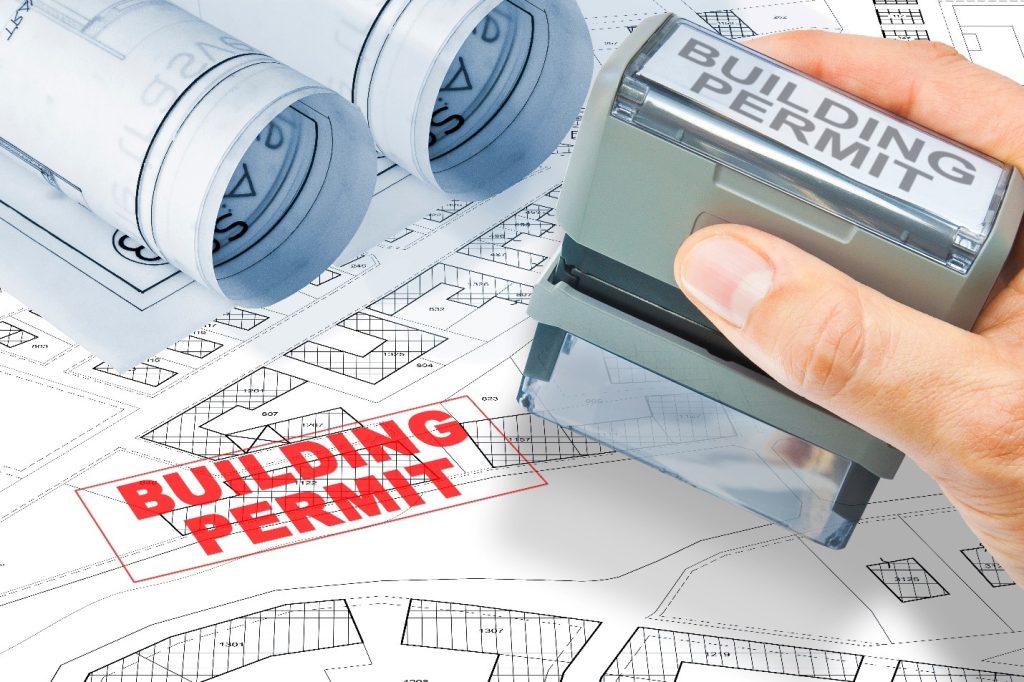
Yes, you can often sell a house with an open building permit in Bloomfield, CT, but the permit issue can affect the sale. It may cause buyer concerns, inspection delays, financing problems, title questions, or price negotiations. The best next step is to find out why the permit is still open and whether it needs a final inspection, repair work, or documentation before closing.
An open permit does not always mean the house cannot be sold. Many homes sell with permit issues, especially when the buyer understands the property condition or is willing to purchase the home as-is. But if the buyer is using a mortgage, wants a clean inspection, or expects every record to be closed before settlement, an open permit can become a serious obstacle.
The Town of Bloomfield’s Building Division handles building-related review, inspection, and enforcement under the Connecticut State Building Code. The division also approves plans and performs inspections for residential and commercial development, so it is usually the first local office to contact when a permit question comes up.
Quick Summary: Selling a House With an Open Permit
| Situation | Can You Sell? | Main Risk | Best Option |
|---|---|---|---|
| Work is complete, but permit is still open | Usually yes | Missing final inspection | Ask about closing the permit |
| Work was started but never finished | Possibly | Buyer may demand repairs | Sell as-is or complete the work |
| Permit involves electrical, plumbing, HVAC, or structure | Maybe | Safety or code concerns | Verify inspection status |
| Permit is old and unclear | Possibly | Records may be confusing | Request permit history |
| Buyer needs mortgage financing | Harder | Lender may object | Resolve early |
| Buyer is paying cash | Often easier | Buyer prices in the risk | Negotiate as-is terms |
What Is an Open Building Permit?
An open building permit usually means a permit was issued for work on the property, but the local building department records do not show that the project was fully closed. This can happen when a homeowner, contractor, or previous owner forgets to schedule the final inspection. It can also happen when the work was not finished, failed inspection, or required extra documentation.
For example, a permit may have been opened for a deck, addition, basement remodel, bathroom renovation, kitchen update, garage, electrical work, plumbing work, or HVAC installation. The work may look complete to a buyer, but the official record may still show the permit as open.
That matters because buyers do not only look at what they can see. They may also look at municipal records, inspection reports, title notes, and lender conditions. If those records show unfinished permit activity, the buyer may ask questions before moving forward.
Common Reasons Permits Stay Open
| Reason | What It Means for the Seller |
|---|---|
| Final inspection was never scheduled | The work may be complete, but not officially approved |
| Contractor did not finish paperwork | The seller may need to contact the town or a new contractor |
| Work was never completed | Repairs or corrections may be needed |
| Trade permit is still open | Electrical, plumbing, mechanical, or HVAC work may need review |
| Prior owner opened the permit | Current seller may not know the full history |
| Records were not updated | The permit may need administrative review |
Why Open Permits Matter When Selling in Bloomfield, CT
Open permits matter because they create uncertainty. Buyers want to know whether the work was done safely, legally, and correctly. A buyer may worry that the town will require repairs after closing. A lender may ask whether the property is safe and usable. A title company or attorney may flag the issue during review.
Bloomfield’s permit process also notes that many building projects may require approvals from agencies responsible for building, planning, zoning, engineering, wetlands, public utility, health department, or fire marshal requirements. That means some permit issues may involve more than one local department.
This does not mean every open permit is a disaster. Some are simple. A final inspection may be all that is needed. Others are more complicated, especially if the work was never completed, was done incorrectly, or involved structural, electrical, plumbing, or occupancy-related changes.
Can an Open Permit Stop a Home Sale?
An open permit can stop a home sale in some cases, but it does not automatically make the property unsellable. The result depends on the type of work involved, the buyer’s financing, the contract terms, and what the local building department requires.
For a cash buyer, the sale may still move forward if they are comfortable purchasing the property as-is. A mortgage buyer may run into more issues because the lender could ask questions about safety, code compliance, or occupancy. Serious permit problems, especially those tied to structural work or unfinished repairs, may need to be resolved before closing.
When the Sale May Still Move Forward
| Scenario | Why the Sale May Continue |
|---|---|
| Buyer accepts the house as-is | Seller may not need to complete repairs first |
| Buyer is paying cash | There are no lender repair conditions |
| Permit issue is minor | It may be handled with a credit or agreement |
| Work is complete | A final inspection may resolve the issue |
| Buyer plans to renovate | Buyer may handle permits after purchase |
When the Open Permit Can Delay Closing
| Problem | Why It Can Delay the Sale |
|---|---|
| Missing final inspection | The town may need to inspect before closing |
| Incomplete work | Buyer may not want to inherit the project |
| Unsafe work | Repairs may be required |
| Structural changes | Higher risk for buyer and lender |
| Missing contractor records | Buyer may request proof |
| Occupancy issue | Approval may be needed before use |
How to Check for an Open Permit in Bloomfield
The first step is to confirm the permit status. Do not rely only on memory, old paperwork, or what a previous owner said. Permit records can show the permit number, project type, application date, inspection status, and whether the permit was closed.
Step 1: Identify the Work
Make a list of any major work done on the property. Include additions, decks, basement finishing, roof work, windows, electrical upgrades, plumbing changes, heating and cooling work, kitchen remodels, bathroom remodels, garage work, and structural changes.
Step 2: Contact the Local Building Division
Ask whether there are open permits on the property. Bloomfield’s Building Division is the local office connected to building code review, inspections, and permit guidance.
Step 3: Ask What Is Needed
Once the open permit is confirmed, ask what is required to close it. The answer may be simple or complex.
| Question to Ask | Why It Matters |
|---|---|
| What permit is still open? | Identifies the exact issue |
| What work was covered? | Shows the project scope |
| Were inspections completed? | Reveals whether the project was reviewed |
| Is a final inspection needed? | May be the easiest fix |
| Are corrections required? | Helps estimate cost |
| Are other approvals involved? | Zoning, fire, health, or wetlands may matter |
| Can the permit be closed administratively? | Some older issues may need record review |
Should You Close the Permit Before Selling?
Closing the permit before selling is often the cleanest option if the issue is simple. It can make the property easier to market and reduce buyer objections. However, it may also take time, money, and contractor help.
Bloomfield’s Building Division schedule page says applicants should allow at least 30 days for review of building permit applications and revisions after submission, and permits needing zoning approval cannot be issued until zoning approval is granted.
That timing matters if you need to sell quickly. If the house is already under contract or you need a fast closing, waiting for paperwork, inspections, corrections, or approvals could create stress.
Closing the Permit vs Selling As-Is
| Option | Best For | Pros | Cons |
|---|---|---|---|
| Close the permit first | Sellers with time and money | May attract more buyers | Can delay listing or closing |
| Sell as-is | Sellers who want speed | Avoids repairs before sale | Offer may be lower |
| Offer a buyer credit | Flexible transactions | Keeps the deal moving | Lender may not allow it |
| Let buyer handle it | Cash or investor sale | Simple for seller | Buyer will price in risk |
What If the Work Was Finished but Never Inspected?
This is one of the better scenarios. The work may be complete, but the permit is open because the final inspection was missed. In that case, the seller may be able to request an inspection and close the permit if the work passes.
However, there is a risk. If the inspector finds problems, corrections may be required. If the work was done years ago, walls, ceilings, or finished areas may hide the original work. That can make inspection harder.
Before scheduling anything, gather records. Helpful documents may include contractor invoices, photos, plans, inspection slips, receipts, emails, and any permit paperwork. These records can help explain what was done and who performed the work.
What If the Work Was Never Completed?
If the work was started but never finished, the seller has a few choices. The right choice depends on time, budget, property condition, and the type of buyer.
Option 1: Finish the Work
This may help attract traditional buyers, but it can require contractors, inspections, and extra money.
Option 2: Negotiate With the Buyer
The seller may offer a price reduction or credit, but this depends on the buyer and lender.
Option 3: Sell the Property As-Is
An as-is sale may be better for sellers who do not want to complete repairs, reopen old projects, or deal with contractors before closing.
Option 4: Get Professional Guidance
For serious permit, title, or disclosure issues, sellers should speak with a Connecticut real estate attorney or qualified closing professional.
Can You Sell As-Is With an Open Permit?
Yes, you may be able to sell a house as-is with an open building permit in Bloomfield, CT. In an as-is sale, the buyer accepts the property in its current condition, including known repairs, unfinished work, or permit concerns.
That does not mean the seller should hide the issue. If the seller knows about an open permit, it is usually better to disclose it clearly. Hidden problems can create conflict during inspection, attorney review, lender review, or closing.
An as-is buyer may be more comfortable with open permits because they may already plan to repair, renovate, or resell the property. But the buyer will likely consider the permit risk when making an offer.
If the open permit is tied to unfinished work, failed inspections, or possible code problems, you may also want to read How to Sell Your House Fast in Enfield, CT with Code Violations for more guidance on selling a property with compliance issues.
How an Open Permit Can Affect the Sale Price
An open permit can reduce the value of a house because it creates uncertainty. Buyers may not know how much it will cost to close the permit. They may worry about repair bills, inspection failures, code issues, or delays after closing.
| Permit Issue | Buyer Concern | Possible Price Impact |
|---|---|---|
| Missing final inspection | Work may not be approved | Low to moderate |
| Old permit with unclear records | Buyer does not know what happened | Depends on project |
| Incomplete renovation | Buyer must finish the job | Moderate |
| Electrical or plumbing permit | Safety concerns | Moderate to high |
| Structural permit | Major repair risk | High |
| Addition or occupancy issue | Approval may be required | High |
The cleaner the records, the less scary the issue looks. A buyer may react differently if the seller can show the permit number, contractor records, inspection history, and a clear explanation.
Open Permit vs Expired Permit vs Unpermitted Work
These terms are related, but they are not always the same.
| Issue | Meaning | Selling Risk |
|---|---|---|
| Open permit | Permit exists but is not closed | Buyer may ask for final approval |
| Expired permit | Permit may no longer be active | May require town review |
| Unpermitted work | Work may have been done without required permit | Higher concern |
| Closed permit | Work was approved and completed | Lower concern |
| Missing records | Status is unclear | Buyer may request proof |
Unpermitted work can sometimes be more concerning than an open permit because there may be no official record that the work was reviewed at all. With an open permit, at least there is a paper trail.
Connecticut Certificate of Occupancy Issues
Some permit issues are connected to use and occupancy. Connecticut law says that, with certain exceptions, a building or structure erected or altered after October 1, 1970, cannot be occupied or used until a certificate of occupancy has been issued by the building official certifying substantial conformity with the Connecticut State Building Code.
Connecticut law also includes a rule stating that certain permits for construction or alteration of one-family or two-family dwellings, or structures on the same parcel, may be deemed closed nine years from the date of issuance if a certificate of occupancy has not been issued.
This does not mean every old permit issue is automatically simple. The facts matter. The project type, property type, dates, records, and local interpretation can all affect what should happen next. Sellers should confirm their exact situation with the Bloomfield Building Division, a Connecticut real estate attorney, or a qualified closing professional.
Seller Checklist Before Moving Forward
| Task | Why It Helps |
|---|---|
| Search the property’s permit history | Confirms whether a permit is open |
| Identify the permit number | Makes communication easier |
| Learn what work was covered | Shows the size of the issue |
| Check inspection history | Reveals what is missing |
| Gather contractor records | Builds buyer confidence |
| Ask if final inspection is needed | May solve the issue |
| Estimate repair or correction costs | Helps with negotiation |
| Decide whether to close or sell as-is | Clarifies the selling plan |
| Disclose known issues | Reduces closing conflict |
Best Options for Bloomfield Homeowners
If you own a house in Bloomfield with an open building permit, the right choice depends on your timeline, budget, and selling goal.
Sellers who want the highest possible retail price may benefit from closing the permit before listing. However, homeowners who need a faster sale, want to avoid repairs, or inherited a property with confusing permit records may find an as-is sale more practical.
| Your Goal | Best Direction |
|---|---|
| Get the highest sale price | Close the permit first if possible |
| Sell quickly | Consider an as-is cash sale |
| Avoid repairs | Sell with full disclosure |
| Keep a retail buyer | Provide records and clear answers |
| Avoid delays | Confirm permit status early |
| Reduce risk | Speak with local professionals |
FAQs About Selling a House With an Open Building Permit in Bloomfield, CT
Q. Can you sell a house with an open building permit in Bloomfield, CT?
Yes, you can often sell a house with an open building permit in Bloomfield, CT. However, the permit may cause buyer concerns, lender questions, inspection delays, or closing issues.
Q. Do I have to close an open permit before selling my house in Bloomfield, CT?
Not always. Some buyers may ask you to close the permit first, while others may accept the property as-is and handle the issue after closing.
Q. Can an open building permit delay closing?
Yes, an open permit can delay closing if the buyer, lender, attorney, or title team wants the issue reviewed or resolved before the sale is completed.
Q. Can I sell my house as-is with an open permit?
Yes, you may be able to sell the house as-is with an open permit. This can be helpful if you do not want to finish repairs, schedule inspections, or deal with contractor issues.
Q. Will an open permit lower my home’s sale price?
It can. Buyers may reduce their offer if they believe the open permit could lead to repair costs, failed inspections, code issues, or future delays.
Q. How do I check for an open permit in Bloomfield, CT?
You can contact the Bloomfield Building Division or review local permit records. Ask about the permit number, inspection history, project type, and what may be needed to close it.
Final Thoughts
Selling a house with an open building permit in Bloomfield, CT is possible, but it should be handled carefully. The permit may be a simple paperwork issue, or it may point to unfinished work, missing inspections, safety concerns, or occupancy questions.
The safest first step is to confirm the permit status, understand what the town may require, and decide whether closing the permit or selling as-is makes more sense. If you have time and money, resolving the permit may help protect your sale price. But if you want to avoid repairs, delays, contractor stress, or uncertainty, selling as-is may be the easier path.
Mike Z Buys Houses can help homeowners in Bloomfield sell properties with open permits, unfinished work, code concerns, or repair issues. You can request a fair cash offer, compare it with the cost of fixing the permit problem, and choose the option that works best for your timeline.
An open permit does not have to stop your sale. With the right buyer and a clear as-is selling process, you may be able to move forward without waiting on repairs, inspections, or months of delays.