
Sell a House with Mold in Connecticut | As-Is Selling Guide
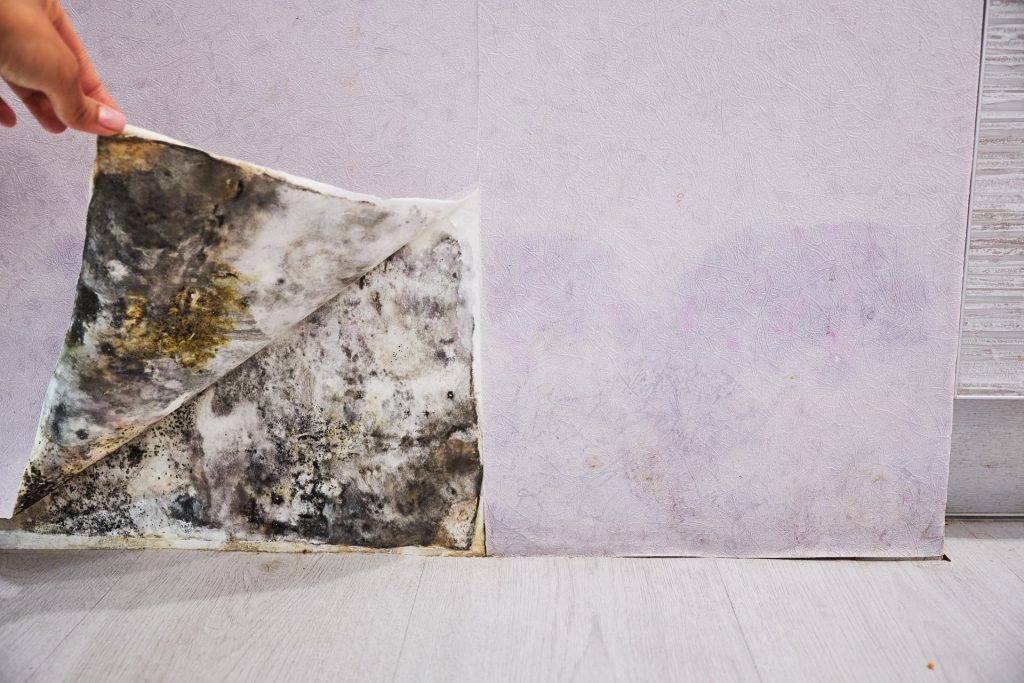
Mold can make selling a Connecticut house feel stressful, especially when the property also has water damage, basement moisture, roof leaks, plumbing problems, or years of deferred maintenance. Many homeowners worry that buyers will walk away, inspections will create expensive repair demands, or lenders will not approve financing because of the property’s condition.
If you need to sell a house fast in Enfield CT or anywhere nearby, the good news is simple: you can still sell a house with mold in Connecticut. The best path depends on the size of the mold problem, the source of moisture, your budget, your timeline, and whether you want to repair the property or sell it as-is.
Mike Z Buys Houses helps Connecticut homeowners compare a direct as-is sale with the traditional listing process. This guide explains your repair options, disclosure concerns, selling choices, local Connecticut considerations, and when a cash offer may make more sense than mold remediation.
Quick Answer
Yes, you can sell a house with mold in Connecticut. Your main options are to remediate the mold before listing, list the house as-is with disclosure, or sell directly to a local cash home buyer. Mold may affect inspections, financing, buyer confidence, insurance questions, and closing terms, so compare your net outcome before spending money on repairs.
Can I Sell a House with Mold in Connecticut?
Yes. Connecticut homeowners can sell a house with mold, but known property issues should be handled carefully. Sellers may repair the mold first, disclose known issues and list as-is, or sell to a direct cash buyer who is comfortable purchasing homes with mold, water damage, or deferred maintenance.
Mold does not automatically stop a home sale. However, it can affect buyer confidence, inspection results, repair negotiations, financing, insurance, appraisal concerns, and closing timelines.
Most traditional buyers want to understand where the mold came from. Is it from a basement leak? A roof problem? A plumbing failure? Poor ventilation? A vacant house with high humidity? The source matters because cleaning visible mold may not solve the issue if the moisture problem remains.
What Mold Can Affect During a Connecticut Home Sale
Mold can affect more than the appearance of a home. It can change how buyers, agents, lenders, inspectors, insurance companies, and closing professionals view the property.
In a traditional sale, mold may affect:
- Buyer confidence
- Inspection results
- Repair negotiations
- Appraisal concerns
- Financing approval
- Insurance questions
- Closing timelines
- Final sale price
- Buyer credits or repair requests
- Whether the buyer stays in the deal
For example, a buyer may like the location and layout of an Enfield home but become nervous after seeing mold in the basement. A lender may also have concerns if the mold is tied to water intrusion, roof damage, plumbing leaks, or unsafe property conditions.
That is why selling a house with mold in Connecticut is not only about cleaning the visible area. It is also about understanding the source of the moisture, the buyer’s expectations, and the selling path that protects your time and money.
Helpful external resource: The Connecticut Department of Public Health mold guidance explains that mold is connected to moisture and that the moisture problem should be fixed as part of addressing mold.
What Connecticut Homeowners Should Know Before Selling
Connecticut sellers should be careful when answering property condition questions. The Connecticut Residential Property Condition Report asks sellers to answer based on their knowledge of the property. If the mold problem is connected to a roof leak, basement seepage, plumbing problem, flooding, drainage issue, or other known condition, it may affect how the property is disclosed.
This is not legal advice. If you are unsure what must be disclosed, speak with a Connecticut real estate attorney, licensed agent, settlement company, or another qualified professional before signing sale documents.
For safety, homeowners should also understand that mold is usually a moisture issue. The U.S. Environmental Protection Agency mold resource explains that moisture control is key to mold control. The UConn Extension mold cleanup guide also recommends fixing leaks, controlling humidity, and taking health precautions during cleanup.
The Connecticut DPH mold assessment and cleanup guidance is also useful for homeowners comparing DIY cleanup, contractor work, and larger remediation concerns.
How Mold Issues Affect Home Sales in Enfield and Central Connecticut
Mold issues are common in many older Connecticut homes because moisture can build up in basements, attics, bathrooms, crawl spaces, and finished lower levels. In Enfield, some older single-family homes may have stone or concrete basements, aging gutters, older roofs, or past water seepage that creates musty conditions over time.
In Hartford and East Hartford, rental properties may have plumbing leaks, tenant turnover damage, or delayed maintenance. In Bloomfield, Windsor, Suffield, and Windsor Locks, inherited homes may sit vacant for months while family members handle estate decisions. In New Britain, Manchester, Vernon, and Rocky Hill, fixer-upper homes may have roof leaks, old windows, basement humidity, or hidden water damage behind finished walls.
West Hartford, Farmington, Avon, and South Windsor properties can also face mold problems when finished basements, older HVAC systems, bathroom ventilation, or attic insulation issues trap moisture. Even well-located homes can become difficult to sell if buyers believe mold points to a larger repair problem.
This local context matters because a house with mold is not always a simple cleaning project. In Central Connecticut, mold is often tied to the full property story: age, maintenance, vacancy, water intrusion, rental history, estate delays, or the owner’s ability to manage repairs.
Do You Have to Remove Mold Before Selling?
You do not always have to remove mold before selling a house in Connecticut. If you sell traditionally, remediation may help attract more buyers and reduce inspection objections. If you sell as-is, the buyer may agree to purchase the property with the mold problem and handle repairs after closing.
The better question is not only “Can I sell with mold?” It is “Which option gives me the best net result with the least risk?”
For some homeowners, remediation can make sense. For others, mold cleanup only reveals more expensive problems, such as rotten framing, old plumbing, roof leaks, foundation seepage, damaged drywall, or unsafe flooring. That is why it is smart to compare repair costs, expected sale price, holding costs, and your timeline before making a decision.
Do I have to fix mold before selling my house?
No, you do not always have to fix mold before selling. Many Connecticut homeowners sell as-is when the repair cost is too high or the property has other damage. However, known mold, leaks, or water damage may still need to be discussed honestly during the selling process.
When Selling As-Is May Make More Sense Than Mold Remediation
Selling as-is may make more sense when the mold problem is part of a bigger property issue. For example, mold may be connected to a roof leak, flooded basement, burst pipe, poor ventilation, vacant-property damage, or years of deferred maintenance.
An as-is sale may be worth considering if:
- You inherited the property and do not want to manage repairs
- The home is vacant and becoming harder to maintain
- You live outside Connecticut
- The mold is tied to water damage or roof damage
- The property needs plumbing, electrical, flooring, or drywall repairs
- You are dealing with tenants or rental damage
- You are behind on taxes, mortgage payments, or utilities
- You want to avoid showings, open houses, and repeated inspections
- You need a simpler closing timeline
You can learn more about related selling paths here:
- Selling a house as-is in Enfield CT
- Selling a house with water damage in Enfield CT
- Selling a vacant property fast for cash in Enfield CT
- Pros and cons of selling a house as-is in Connecticut
A traditional sale may bring a higher price if the house is repaired, clean, financeable, and easy to show. But if repairs are expensive, uncertain, or stressful, an as-is sale may give you a clearer path forward.
Your Main Options for Selling a Mold-Damaged House
Option 1: Remediate the Mold Before Listing
This may make sense if the mold is limited, the home is otherwise market-ready, and you have time and money to complete the work properly.
This option may be best if:
- You want to list on the MLS
- The home is in good condition besides the mold
- You can afford cleanup and related repairs
- You have time to wait for contractors
- You want to appeal to traditional buyers
Possible drawbacks:
- Professional remediation can be expensive
- Hidden damage may increase the scope of work
- You may still need roof, plumbing, basement, or ventilation repairs
- Buyers may ask for documentation
- The sale can still fall apart after inspection
Option 2: List the House As-Is with a Real Estate Agent
An as-is listing can work when you want market exposure but do not want to complete repairs. The challenge is that traditional buyers may still inspect the property and renegotiate after finding mold.
This option may be best if:
- You are not in a rush
- You want to test the open market
- The mold problem is manageable
- You are prepared for buyer questions
- You can handle showings and inspection delays
Possible drawbacks:
- Fewer buyers may be willing to take on mold
- FHA, VA, or conventional financing may become harder depending on condition
- Buyers may demand credits or repairs
- The house may sit longer if priced too high
- You may still pay commissions and closing costs
Option 3: Sell As-Is to a Connecticut Cash Home Buyer
Selling directly to a Connecticut cash buyer can be practical when the mold problem is serious, the property needs several repairs, or you do not want to spend money before selling.
This option may help if the house has mold along with water damage, roof leaks, basement seepage, old plumbing, tenant damage, code concerns, estate issues, or a long repair list. Instead of preparing the home for showings, waiting for inspections, and negotiating repairs, you can request an offer and decide whether the number works for your situation.
Mike Z Buys Houses works with homeowners in Enfield and nearby Connecticut towns who want to sell as-is without repairs, realtor commissions, or a long traditional listing process. You can also review how the house buying process works before deciding.
This option may be best if:
- You want to sell without mold remediation
- You do not want to clean out or repair the property
- The home is vacant, inherited, damaged, or difficult to show
- You want to avoid repeated inspections and repair negotiations
- You need a flexible closing timeline
- You want a local offer to compare with listing the house
Possible drawbacks:
- A cash offer may be lower than a fully repaired retail sale price
- The offer should reflect repair costs, holding costs, and resale risk
- You should review the terms carefully before signing
- You may still need to resolve title, lien, probate, payoff, or tax issues before closing
Option 4: Keep the Property and Repair It Over Time
This may be the right choice if the home has long-term value, you can afford repairs, and you are not under financial pressure.
This option may be best if:
- You want to keep the home as a rental
- You can afford mold remediation
- You can fix the moisture source properly
- You are not facing foreclosure, tax delinquency, or urgent relocation
- The property has strong long-term equity potential
Possible drawbacks:
- Holding costs continue
- Mold can worsen if moisture remains
- Vacant homes may develop more damage
- Tenant-occupied homes may create repair access issues
- Insurance may not cover all cleanup costs
Options Comparison Table
| Selling Option | Best For | Main Benefit | Main Risk |
|---|---|---|---|
| Remediate before listing | Market-ready homes with limited mold | May attract more traditional buyers | Repairs can expand once work begins |
| List as-is with an agent | Sellers with time to wait | MLS exposure and possible retail buyer interest | Inspection objections and financing delays |
| Sell to a cash buyer | Damaged, vacant, inherited, or urgent-sale properties | No repairs, fewer showings, simpler process | Offer may reflect repair costs and investor risk |
| Keep and repair | Owners with time, money, and long-term plans | Preserves future sale or rental potential | Ongoing costs and possible worsening damage |
Best Option Based on Your Situation
| Homeowner Situation | Best Option to Consider |
|---|---|
| Small mold area, strong house condition, no urgent timeline | Remediate first, then list traditionally |
| Mold plus basement seepage, roof leaks, or plumbing problems | Compare repair costs with an as-is cash offer |
| Inherited house with mold and out-of-state heirs | As-is sale may reduce repair and management stress |
| Rental property with tenant damage or moisture problems | Compare selling with tenants, waiting, or selling as-is |
| Vacant house with worsening mold or water damage | Act quickly before the condition gets worse |
| High-equity home in a desirable area | Get repair estimates before deciding |
| Homeowner facing foreclosure, tax pressure, or relocation | Compare a direct sale with legal and financial guidance |
Step-by-Step Process to Sell a House with Mold in Connecticut
Step 1: Identify the visible problem
Look for visible mold, musty odors, water stains, soft drywall, warped flooring, basement dampness, attic condensation, roof leaks, or plumbing damage.
Do not disturb large mold areas without proper protection. If the situation appears unsafe, speak with a professional.
Step 2: Find the moisture source
Mold usually comes from moisture. The source may be a leaking pipe, roof damage, poor bathroom ventilation, clogged gutters, basement seepage, foundation cracks, or high indoor humidity.
Step 3: Decide whether repairs make financial sense
Compare the cost of remediation with the likely increase in sale price. Also consider holding costs, mortgage payments, utilities, taxes, insurance, cleanout costs, and contractor delays.
If mold is connected to larger damage, you may also want to compare this situation with selling a house with water damage in Enfield CT.
Step 4: Review your selling options
You can repair first, list as-is, keep the property and fix it over time, or request a cash offer from a local property buyer. Reviewing multiple paths helps you avoid spending money without knowing the likely outcome.
Step 5: Gather helpful documents
Before listing or requesting an offer, gather mortgage payoff details, tax information, repair estimates, insurance documents, photos, lease details, probate paperwork, or any town notices related to the property.
Step 6: Compare net proceeds, not just sale price
A higher sale price is not always a better result if it requires months of repairs, commissions, credits, taxes, utilities, and uncertainty. Compare what you may actually walk away with after costs.
Step 7: Choose the path that fits your timeline
If you want to sell without repairs, our team can review the property and explain what an as-is offer may look like. You can then compare that option with repairing first or listing traditionally.
Realistic Enfield Homeowner Example
Imagine a homeowner inherits a house in Enfield near Hazardville. The property has been vacant through part of the winter, and a small basement moisture problem has turned into visible mold along old paneling and stored belongings.
The heirs live outside Connecticut. A contractor says the walls may need to be opened before the full cost is clear. A traditional agent explains that buyers may ask for mold documentation, repair credits, or additional inspections.
In this situation, the homeowner could compare three paths: pay for remediation before listing, list the property as-is and wait for the right buyer, or request a direct cash offer. If the cash offer is lower but avoids repair management, multiple showings, inspection delays, and months of carrying costs, it may still be the better fit.
Common Mistakes to Avoid
Hiding or minimizing known mold issues
Trying to ignore a known mold problem can create buyer distrust and possible legal risk. Be honest and get professional guidance if you are unsure what must be disclosed.
Cleaning visible mold without fixing the moisture source
If the leak, humidity, or drainage problem remains, the mold may return. Buyers and inspectors often look for the cause, not just the surface stain.
Spending money without comparing the sale outcome
Some homeowners spend thousands on remediation before knowing whether the repair will actually increase their net proceeds. Always compare repair cost against likely sale price, holding costs, and closing costs.
Assuming every buyer will walk away
Some buyers will avoid mold completely. Others may buy if the price, documentation, and repair plan make sense. Cash buyers may be more comfortable with property problems than traditional buyers.
Accepting a cash offer without reviewing the terms
A higher offer is not always better if it includes inspection contingencies, surprise fees, long delays, or unclear closing terms. Compare the full agreement, closing timeline, and responsibilities before signing.
A Local Connecticut Cash Sale Option to Compare
A cash sale is not the right fit for every homeowner. If the house is in strong condition, the mold is limited, and you have time to manage repairs, a traditional sale may produce a better result.
But if the property has mold, water damage, tenant issues, code concerns, inherited-property complications, or a long list of repairs, a direct sale may be worth comparing.
Mike Z Buys Houses is based in Enfield and works with homeowners across Central Connecticut, including Hartford, Bloomfield, New Britain, West Hartford, Windsor, South Windsor, East Hartford, Manchester, Farmington, Avon, Vernon, Rocky Hill, Suffield, Windsor Locks, and nearby towns.
The goal is not to pressure you into one option. The goal is to help you understand whether an as-is cash offer gives you a cleaner, simpler path than repairing and listing the property.
FAQs
Q. Can I sell a house with mold in Connecticut?
Yes. You can sell a house with mold in Connecticut by repairing the issue first, listing the property as-is, or selling to a cash buyer. The right option depends on the mold severity, repair cost, buyer financing, disclosure concerns, and your timeline.
Q. Will mold make buyers walk away?
Some buyers may walk away after finding mold, especially if they rely on financing or worry about health and repair costs. Other buyers may still move forward if the price, disclosures, inspection results, and repair plan make sense.
Q. Is selling as-is better than paying for mold remediation?
Selling as-is may be better if the mold is tied to larger problems like roof leaks, basement water, plumbing damage, or a vacant house. Remediation may be better if the home is otherwise market-ready and the repair cost is reasonable.
Q. Can a cash buyer buy a house with mold?
Yes. Many cash buyers purchase houses with mold, water damage, old roofs, code issues, tenant damage, and deferred maintenance. The offer usually reflects the property’s current condition and the cost of repairs after closing.
Q. Should I get a mold inspection before selling?
A mold inspection may help if you plan to list traditionally and want documentation before buyers inspect the property. If you plan to sell as-is, you may not need to pay for testing first, but you should still be honest about known issues.
Q. What if the mold is in an inherited house?
You can sell an inherited house with mold, but probate, title, estate paperwork, and family decision-making may affect the timeline. Speak with a probate attorney or settlement professional if the estate has not been fully handled.
Q. Can I sell a vacant house with mold in Enfield CT?
Yes. A vacant house with mold can often be sold as-is, especially if the owner does not want to manage cleanup, repairs, security concerns, or holding costs. You can also review options for selling a vacant property fast for cash in Enfield CT.
Q. What should I ask before accepting a cash offer?
Ask whether there are fees, inspection contingencies, closing costs, repair requirements, timeline limits, or price changes after the walkthrough. You should also confirm who handles paperwork and whether the buyer can close on your preferred timeline.
Compare an As-Is Cash Offer Before You Decide
If you want to sell a house with mold in Connecticut without handling repairs, cleanup, showings, or a long listing process, Mike Z Buys Houses can review your property and provide a fair local cash offer.
You can compare that offer with your other options and decide what works best for your timeline, repair budget, and next step.