
Sell a House with Structural Damage in Enfield, CT | As-Is Selling Guide
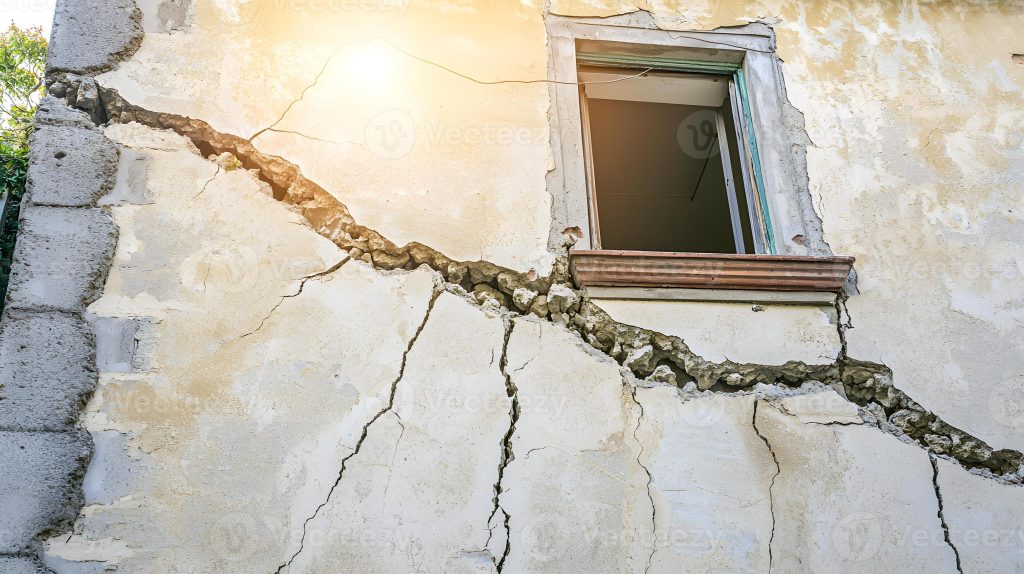
Selling a house with structural damage in Enfield, CT can feel overwhelming. Foundation cracks, bowing basement walls, sagging floors, roof framing issues, water damage, fire damage, termite damage, or unsafe additions can make a normal home sale more difficult.
These problems do not always mean the house cannot be sold. However, they can affect buyer confidence, financing, inspections, insurance, repair negotiations, and the final sale price.
Some Enfield homeowners choose to repair the damage before listing. Others list the property as-is with an agent. Some choose a direct sale to a local Connecticut cash home buyer when they want to avoid repairs, repeated showings, commissions, and inspection delays.
Mike Z Buys Houses helps Connecticut homeowners understand their as-is home selling options in Enfield, CT when a property needs major repairs or does not fit the traditional listing process.
Quick Answer
You can sell a house with structural damage in Enfield, CT. Your best option depends on repair costs, timeline, title status, buyer financing, and how much work you want to handle before closing. Mike Z Buys Houses can review the property and provide a fair local cash offer if you want to sell your house as-is in Enfield, CT without repairs.
What Counts as Structural Damage?
Structural damage means the home has a problem with the parts that support, stabilize, or protect the property. Cosmetic problems may make a home look outdated, but structural issues can affect safety and financing.
Common examples include:
- Foundation cracks or movement
- Bowing or leaning basement walls
- Sagging or uneven floors
- Damaged beams, joists, or support posts
- Roof framing damage
- Fire-damaged framing
- Major water intrusion
- Termite or pest damage to structural wood
- Unsafe decks, porches, or stairs
- Unpermitted additions affecting the structure
- Drainage problems around the foundation
Not every crack means the home is unsafe. Still, if the issue looks serious, it may help to speak with a licensed contractor, structural engineer, real estate attorney, settlement company, or local official before deciding what to do.
Can You Sell a House with Foundation Damage in Connecticut?
Yes, you can sell a house with foundation damage in Connecticut. Known property problems may need to be disclosed, and buyers may request inspections, repair credits, or price reductions. Connecticut sellers can review the state’s Residential Property Condition Report for general disclosure guidance, but they should speak with a qualified professional for advice about their specific situation.
Some homeowners choose an as-is cash sale when they do not want to repair foundation damage before closing. In parts of Connecticut where foundation concerns are more common, homeowners may also find helpful background information from CRCOG’s crumbling foundations resources.
Why Structural Damage Makes a Traditional Sale Harder
A traditional sale depends on buyer confidence. When a home has visible structural damage, buyers may worry about repair costs, hidden problems, lender approval, future resale value, and safety.
Structural damage can create issues such as:
- Lower buyer interest
- Longer days on market
- Inspection objections
- Repair credit requests
- Financing problems
- Appraisal concerns
- Insurance questions
- Contractor estimate delays
- Buyer cancellation after inspection
This does not mean listing with an agent is impossible. It means the homeowner should compare the full net result, not just the expected listing price.
For example, a higher listing price may look attractive at first. But after repairs, closing delays, holding costs, commissions, seller credits, and buyer renegotiation, the final amount may be lower than expected.
Local Context for Enfield, CT Homeowners
Enfield has a mix of older single-family homes, long-owned family houses, rental properties, inherited homes, and fixer-upper properties. In areas such as Thompsonville, Hazardville, North Thompsonville, and neighborhoods near Route 5, Route 190, I-91, and the Scantic River area, some properties may have aging systems, basement moisture, older foundations, roof wear, or years of deferred maintenance.
For homeowners in Hartford County and north-central Connecticut, structural damage can also connect to other selling challenges. A vacant property may attract maintenance concerns. The Town of Enfield provides local information on building regulations, permit applications, and documents, which may be useful if a property has old repairs, open permits, or incomplete work.
A structurally damaged or vacant property may also raise maintenance concerns. Enfield homeowners can review the town’s Property Maintenance and Blight information if they have received a notice or are concerned about local property condition issues.
Nearby areas such as Suffield, Windsor Locks, Windsor, South Windsor, East Hartford, Manchester, Bloomfield, New Britain, West Hartford, and Vernon can have similar older-home challenges. Local knowledge matters because town records, permits, tax status, closing timelines, and property condition can all affect the sale.
Your Main Options for Selling a House with Structural Damage
Option 1: Repair the Damage Before Selling
Repairing before listing may help you attract more retail buyers and improve buyer confidence. This can work if the damage is limited, you have repair money available, and you are not in a hurry.
This may be a good option if:
- You have enough cash for repairs.
- You can manage contractors.
- The home is otherwise in good condition.
- The repair is likely to increase resale value.
- You are comfortable waiting for the open market.
The risk is that structural repairs can become more expensive once work begins. A foundation, water, or framing issue may reveal hidden damage.
Option 2: List the House As-Is with an Agent
An as-is listing tells buyers that you do not plan to make repairs before closing. This may work if the home is priced correctly and marketed to buyers who understand fixer-upper properties.
This may be a good option if:
- You want market exposure.
- You are not under time pressure.
- The home may still qualify for financing.
- You accept that buyers may inspect and negotiate.
- You are willing to wait for the right buyer.
However, “as-is” does not mean buyers cannot ask questions. They may still request inspections, credits, price reductions, or repairs before closing.
Option 3: Sell Directly to a Local Cash Home Buyer
A direct sale may be practical if the house needs major repairs and you do not want to spend money before selling. A local property buyer may purchase the home in its current condition, including structural damage, water damage, code issues, tenant problems, or deferred maintenance.
This may be a good option if:
- You want to sell house as-is.
- You do not want to make repairs.
- You want to avoid showings.
- You inherited a damaged property.
- The house is vacant or distressed.
- You are dealing with tenants.
- You want a flexible closing timeline.
- You want to avoid realtor commissions.
A cash offer is often lower than a fully repaired retail sale price. However, it may reduce repair costs, holding costs, inspection uncertainty, and months of stress.
Is Selling As-Is Better Than Making Repairs?
Selling as-is may be better if the repairs are expensive, the home has serious damage, or you need a simpler sale. Making repairs may be better if the damage is minor, you can afford the work, and the improved sale price is likely to justify the cost.
If your property has multiple issues beyond structural damage, such as tenants, code concerns, or inherited title questions, it may help to compare your options with related resources like selling a rental property with difficult tenants in Enfield or the company’s general sell your house page.
What Is the Best Way to Sell a House with Structural Damage?
The best way to sell a house with structural damage depends on repair cost, timeline, and buyer type. If repairs are affordable, listing may work. If repairs are too costly or stressful, selling as-is to a local cash buyer may be a better option.
Repair, List As-Is, or Sell for Cash?
When comparing your options, focus on your estimated net proceeds, not just the sale price. Net proceeds means the amount you may keep after repairs, commissions, closing costs, seller credits, taxes, holding costs, and any payoff amounts.
| Option | Best For | Benefits | Possible Drawbacks |
|---|---|---|---|
| Repair before listing | Homeowners with time and repair funds | May attract more traditional buyers | Repairs can cost more than expected |
| List as-is with agent | Sellers who want market exposure | Wider buyer pool | Inspections may lead to renegotiation |
| Sell to cash buyer | Sellers who want no repairs and fewer delays | Simple process, flexible closing, no showings | Offer may be lower than retail value |
| Keep and repair slowly | Owners with no urgent need to sell | More control over timing | Taxes, insurance, and maintenance continue |
| Rent the property | Owners who can safely repair first | Possible income | Structural issues must be fixed before renting safely |
What to Prepare Before Requesting an Offer
Before speaking with a buyer, gather what you can. You do not need everything, but these items can help the process move faster:
- Recent property tax bill
- Mortgage payoff information
- Photos of visible damage
- Contractor estimates
- Inspection reports
- Engineering reports, if available
- Permit records
- Insurance claim paperwork
- Tenant lease information, if rented
- Probate or estate documents, if inherited
- Any town notices or property maintenance letters
If you do not have these documents, you can still ask for an offer. A local buyer may help identify what is needed before closing.
What Can Delay the Sale?
A structurally damaged house may take longer to sell if there are unresolved issues beyond the repair itself.
Common delays include:
- Open permits
- Title problems
- Probate or estate paperwork
- Tax liens or unpaid property taxes
- Foreclosure timelines
- Tenant access issues
- Municipal notices
- Missing repair documentation
- Disagreements between heirs or owners
- Buyer financing requirements
If legal, tax, foreclosure, probate, tenant, divorce, bankruptcy, or title issues are involved, speak with a qualified attorney, tax professional, lender, housing counselor, settlement company, or local official. Homeowners who want a better understanding of Connecticut court-related processes can start with the Connecticut Judicial Branch, but legal questions should be reviewed with a qualified attorney.
Step-by-Step: How an As-Is Cash Sale Usually Works
1. Share the Property Details
Start with the basics: address, condition, known repairs, occupancy status, mortgage situation, taxes, tenants, or estate details.
2. Schedule a Property Review
A local Connecticut home buyer may review the house in its current condition. You do not need to clean, repair, stage, or prepare for multiple showings.
3. Receive a Written Cash Offer
After reviewing the home, the buyer may provide a written offer. The offer should explain the price, closing timeline, and whether there are any fees or repair requirements.
4. Compare Your Options
Compare the cash offer with repairing, listing as-is, waiting, or keeping the property. Look at the net result, not only the top-line price.
5. Choose a Closing Timeline
If you accept, you may be able to choose a closing date that fits your needs. Mike Z Buys Houses explains its direct sale steps on the How It Works page for homeowners who want a clear process without repairs, agent commissions, or a drawn-out listing experience.
Example: Selling a Structurally Damaged House in Enfield
A homeowner in Hazardville inherits an older house from a parent. The home has basement wall cracks, an aging roof, old electrical work, and water damage from years of deferred maintenance. The owner lives out of state and does not want to manage Enfield contractors from a distance.
Repairing before listing could take months and may uncover more issues. Listing as-is could work, but buyers may ask for inspections, credits, or financing conditions. A direct as-is sale to a local property buyer may be a practical way to move forward without repairing the house first.
This is only an example. Every property, repair concern, title issue, and closing timeline is different.
Questions to Ask a Cash Buyer
Before choosing a buyer, ask:
- Do you buy houses with structural damage?
- Are you familiar with Enfield and nearby Connecticut towns?
- Will I need to make any repairs?
- Are there commissions or hidden fees?
- Who pays typical closing costs?
- Can I choose the closing date?
- Will the offer be in writing?
- What happens if there are tenants, code issues, or old permits?
- Am I obligated to accept the offer?
A serious buyer should answer clearly and should not pressure you.
Why Working With a Local Connecticut Home Buyer Matters
When a house has structural damage, local experience can make the process easier. A local buyer is more likely to understand Enfield property types, Hartford County housing patterns, Connecticut disclosure issues, town records, older homes, inherited properties, and repair-heavy houses.
Mike Z Buys Houses focuses on Connecticut homeowners who want a practical way to sell without fixing every issue first. That local focus can help homeowners compare options with more clarity.
Common Mistakes to Avoid
Ignoring Known Problems
If you know about structural damage, do not hide it. Connecticut sellers may have disclosure responsibilities. Get professional guidance if you are unsure.
Assuming Repairs Always Pay Off
A large repair does not always create an equal increase in value. Compare repair cost, resale value, risk, timeline, and holding expenses.
Looking Only at the Highest Offer
The highest offer may not be the best offer if it depends on financing, inspections, appraisal approval, repair credits, or buyer delays.
Waiting Too Long During Legal or Financial Pressure
Foreclosure, probate, taxes, divorce, bankruptcy, tenant issues, or title problems can reduce your options if ignored. Early guidance can help.
FAQs
Can I sell a house with structural damage in Enfield, CT?
Yes. You can sell a house with structural damage in Enfield, CT by repairing it first, listing it as-is, or selling directly to a local cash home buyer. The best choice depends on repair cost, timeline, property condition, and your financial goals.
Do I have to fix foundation damage before selling?
No, not always. Some Connecticut homeowners sell as-is when foundation repairs are too expensive or difficult to manage. Buyers may still inspect the property and factor repair costs into their offer.
Will a cash buyer buy a house with structural damage?
Yes. Many cash buyers purchase houses with foundation cracks, sagging floors, roof damage, water damage, fire damage, and other major repair needs. The offer usually reflects the cost and risk of repairs.
Is an as-is sale better than listing with an agent?
An as-is sale may be better if you want fewer delays, no repairs, and a simpler process. Listing with an agent may be better if the house is financeable, repairs are manageable, and you have time to wait.
Can I sell an inherited house with structural damage?
Yes. Inherited houses with structural damage can often be sold, but probate, title, estate documents, and ownership status may affect the timeline. Speak with a probate attorney or settlement company if needed.
How fast can I sell a damaged house in Enfield?
The timeline depends on property condition, title status, taxes, tenants, buyer type, and closing requirements. A cash sale may be faster than a traditional sale because it usually avoids lender repair requirements.
Want to Sell Your Enfield House As-Is?
If you want to sell a house with structural damage in Enfield, CT without making repairs, Mike Z Buys Houses can review your property and provide a fair local cash offer.
You can compare your options, ask questions, and decide what makes sense for your situation. No pressure. No repairs. No traditional listing process.
Contact the team or learn more about how to sell your house fast in Enfield, CT.