
Sell a House with Water Damage in Enfield, CT
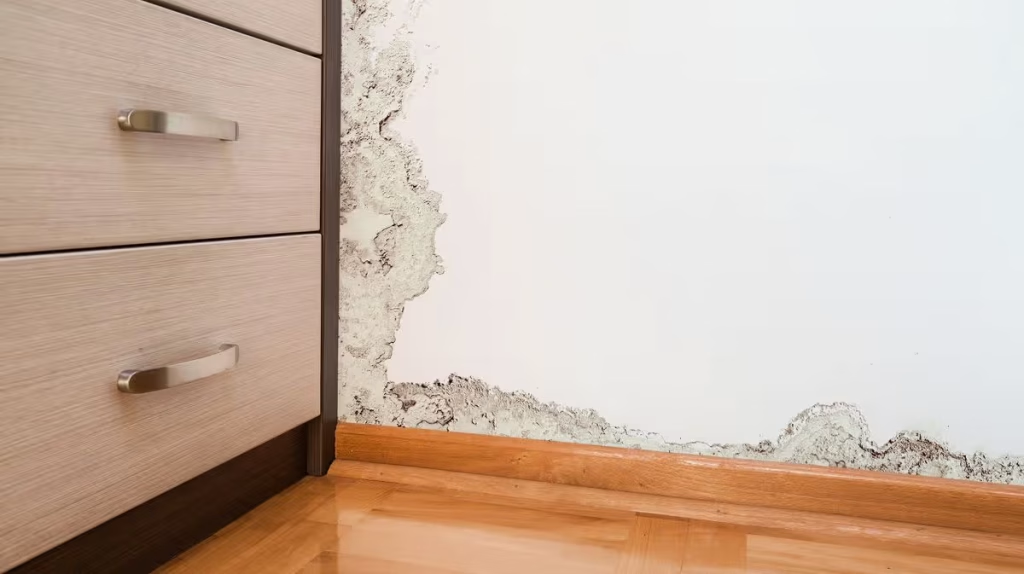
Water damage can make selling a house in Enfield, CT feel overwhelming. A leaking roof, flooded basement, burst pipe, plumbing leak, mold concern, or long-vacant home can quickly turn into a stressful selling problem. Many homeowners worry that buyers will walk away, lenders will not approve financing, or inspections will lead to expensive repair demands.
The good news is that you can still sell a house with water damage in Enfield, CT. You may be able to repair the issue first, list the property as-is, sell to a local cash buyer, or compare multiple options before choosing the best path.
This guide explains what Enfield homeowners should know before selling a water-damaged property, including disclosure concerns, local market realities, repair decisions, selling options, common mistakes, and how an as-is cash sale may help if you want to avoid repairs.
Quick Answer: Can You Sell a House with Water Damage in Enfield, CT?
Yes. You can sell a house with water damage in Enfield, CT. You do not always need to repair the damage before selling, but you should be honest about known issues and understand how water damage may affect inspections, financing, insurance, buyer interest, and sale price.
If the damage is minor and you have time and money, repairing the issue before listing may help attract more traditional buyers. If the damage is serious, the house is inherited, vacant, occupied by tenants, has code issues, or you cannot afford repairs, selling the house as-is to a local cash buyer may be a simpler option.
A cash sale may be faster and easier, but a traditional listing may bring a higher price if the house is repaired, clean, easy to show, and attractive to retail buyers.
What Counts as Water Damage When Selling a House?
Water damage is not always obvious. Sometimes it appears as a ceiling stain, soft flooring, a musty smell, peeling paint, warped trim, or basement dampness. Other times, it involves major flooding, mold, foundation seepage, or damage hidden behind walls.
Common water damage issues in Enfield homes include:
- Basement water after heavy rain
- Sump pump failure
- Roof leaks from aging shingles or ice dams
- Burst pipes during cold Connecticut winters
- Water heater leaks
- Bathroom or kitchen plumbing leaks
- Sewer or drain backups
- Mold or mildew from trapped moisture
- Damage in vacant or inherited homes
- Flood-risk concerns near low-lying areas or drainage paths
Older single-family homes in Enfield, Hazardville, Thompsonville, Southwood Acres, and nearby neighborhoods may have basements, older plumbing, older roofs, or grading issues that make moisture problems more common. Water damage can also affect rental homes, inherited houses, and vacant properties where leaks may go unnoticed for weeks or months. If the home has a history of flooding or is located near a low-lying area, stream, brook, or drainage path, homeowners can review the official FEMA Flood Map Service Center for flood-map information before selling.
Why Water Damage Makes a Home Harder to Sell
Water damage changes how buyers view risk. A buyer may not only see the visible damage. They may wonder what else is hidden.
A stained ceiling can raise questions about roof life. A damp basement can raise concerns about foundation cracks, drainage, mold, or future flooding. Damaged flooring may lead buyers to worry about subfloor problems. If the home smells musty, buyers may assume the issue is larger than it appears.
Water damage can also create problems during inspection and financing. A traditional buyer using a mortgage may need the property to meet lender or appraisal standards. If the home has active leaks, mold concerns, unsafe electrical conditions, damaged walls, or major unfinished repairs, the buyer’s loan may be delayed or denied until repairs are completed.
That does not mean the house cannot sell. It means the selling strategy matters.
Connecticut Disclosure Considerations
In Connecticut, sellers should be careful about known property conditions. If you know about past flooding, basement seepage, roof leaks, mold concerns, plumbing leaks, foundation water intrusion, or water-related repairs, you should not hide those issues. Homeowners can review the official Connecticut Residential Property Condition Report to better understand the types of property conditions that may need to be addressed when selling a home.
Before selling, gather any documents that help explain the situation, such as:
- Insurance claim paperwork
- Contractor estimates
- Plumbing or roofing invoices
- Mold or remediation reports
- Photos before and after cleanup
- Basement waterproofing records
- Tenant repair requests
- Municipal notices or code letters
- Probate or estate documents if inherited
This article is for general information only and is not legal advice. If your property involves probate, foreclosure, tenants, code violations, title problems, or a disputed estate, speak with a qualified Connecticut professional before signing a contract.
Enfield, CT Market Context for Water-Damaged Homes
Enfield is part of the Central Connecticut and Greater Hartford housing market. Based on available market data from the Zillow 06082 housing market report and Realtor.com’s Enfield market data, Enfield has remained active, but water-damaged homes do not always perform like clean, updated, move-in-ready properties.
A property in good condition may attract more traditional buyers. A property with active leaks, mold concerns, damaged flooring, basement water, or visible neglect may attract a smaller buyer pool. Some buyers may ask for repairs, credits, price reductions, or inspection contingencies.
Local factors that may affect a water-damaged home sale include property taxes, open municipal issues, insurance history, flood-risk questions, buyer financing, and whether the home is vacant, rented, inherited, or behind on maintenance. For vacant or neglected homes, the Town of Enfield’s Property Maintenance and Blight process may also be relevant.
Local Selling Factors to Consider
| Local Factor | Why It Matters |
|---|---|
| Enfield market demand | A strong local market may help, but condition still affects buyer confidence |
| Property condition | Water damage can reduce buyer interest or trigger repair requests |
| Financing | Some lenders may not approve homes with serious damage or safety issues |
| Local code concerns | Vacant or neglected homes may attract municipal attention |
| Property taxes | Unpaid taxes or liens can delay closing |
| Probate status | Inherited homes may need proper estate authority before sale |
Should You Repair Water Damage Before Selling?
There is no single answer. The right choice depends on repair cost, timeline, insurance coverage, and your financial goals.
Repairing first may make sense if the damage is small, the source is fixed, and the home is otherwise in good shape. For example, if a bathroom leak damaged a small section of drywall and flooring, repairing it may help the home show better and reduce buyer concern.
However, repairs may not make sense if the damage is widespread or uncertain. Once contractors open walls, ceilings, or flooring, costs can rise. A basement water problem may involve drainage, grading, sump pumps, foundation cracks, mold, flooring, and electrical concerns. A roof leak may require roof replacement, ceiling repair, insulation work, and mold inspection.
If you cannot afford repairs, do not live near the property, need to sell quickly, or want to avoid managing contractors, selling as-is may be a better path. For a complete explanation of how this option works locally, read Selling a House As-Is in Enfield, CT: The Complete Homeowner’s Guide.
Selling Options for a Water-Damaged House
| Selling Option | Best For | Main Tradeoff |
|---|---|---|
| Repair and list traditionally | Owners with time, money, and a mostly market-ready home | May bring a higher price, but requires upfront work |
| List as-is with an agent | Sellers who want market exposure but will not repair | More exposure, but inspections and financing may still create delays |
| Sell directly for cash | Owners who want to avoid repairs, showings, and uncertainty | Simpler process, but offer may be lower than repaired retail value |
| Keep and rent | Owners who can repair and manage the home | Rental income possible, but repairs and tenant issues continue |
| Wait and decide later | Owners not under pressure | More time, but damage and holding costs may increase |
A traditional listing may be the right move if you can repair the damage and wait for the right buyer. An as-is cash sale may be better if the house has major damage, tenants, code issues, foreclosure pressure, probate complications, or deferred maintenance.
Step-by-Step Process to Sell a House with Water Damage in Enfield, CT
1. Identify the Source of the Water
Try to find out whether the water came from a roof leak, burst pipe, plumbing failure, basement seepage, flood event, appliance leak, or sewer backup. Buyers will want to know whether the source has been fixed.
2. Stop Active Damage If Possible
Even if you plan to sell as-is, stopping active water can prevent the property from getting worse. Turning off the water, tarping a roof, improving drainage, or fixing a small leak may protect the home while you decide.
3. Document Everything
Take photos and videos. Save estimates, insurance paperwork, cleanup receipts, and repair invoices. Good documentation helps buyers understand the problem and may reduce confusion during negotiations.
4. Check Insurance
If the damage may be covered, contact your insurance provider. Some homeowners complete an insurance claim before selling. Others sell as-is and let the buyer handle future repairs. The best option depends on coverage, timing, deductible, and claim status.
5. Get Repair Estimates
Even if you do not plan to repair, estimates help you compare options. If repairs may cost tens of thousands of dollars, an as-is sale may become more practical.
6. Review Title, Taxes, Probate, and Liens
Water-damaged homes are often inherited, vacant, or financially distressed. Make sure there are no title problems, unpaid property taxes, estate issues, or municipal liens that could delay closing.
7. Compare Net Proceeds
Do not compare only the top-line sale price. Compare what you may actually keep after repairs, commissions, closing costs, utilities, taxes, insurance, cleanup, and holding time.
8. Choose the Selling Path
Once you understand the damage, repair cost, and your timeline, choose the path that best fits your situation: repair and list, list as-is, or sell directly to a cash buyer.
Realistic Local Example
Imagine an inherited house in Enfield near Hazardville. The property has been vacant through the winter. A pipe burst in an upstairs bathroom, damaging the ceiling, flooring, and part of the kitchen below. The heirs live outside Connecticut and do not want to manage contractors, cleanout, insurance calls, and multiple showings.
A traditional listing may bring more money if the repairs are completed first. However, the heirs would need to pay for cleanup, repair estimates, possible mold evaluation, utilities, taxes, insurance, and time on the market.
In this situation, selling as-is may be worth comparing. The cash offer may be lower than the fully repaired retail value, but it could reduce stress, avoid repair management, and help the heirs move forward faster.
This is only an example scenario. Every property should be reviewed based on its actual condition, title status, and local market value.
Common Mistakes to Avoid
One major mistake is hiding known water damage. If you know about a leak, past flooding, mold concern, or basement seepage, be honest. Hiding issues can create legal and negotiation problems later.
Another mistake is starting repairs without a clear budget. Water damage repairs can grow once damaged materials are removed. A small visible issue may reveal larger hidden damage.
Homeowners also sometimes forget about holding costs. While waiting to repair or list, you may still pay taxes, insurance, utilities, lawn care, snow removal, and mortgage payments.
Do not assume every cash buyer is the same. Review the written offer, closing terms, inspection rights, and any fees. A serious buyer should explain the process clearly and not pressure you into a decision.
FAQs
Q. Can I sell a house with water damage in Enfield, CT?
Yes. You can sell a house with water damage in Enfield, CT. You may repair the damage first, list the home as-is, or sell directly to a cash buyer who accepts the property in its current condition.
Q. Do I have to repair water damage before selling my house?
No. You do not always have to repair water damage before selling. If you sell as-is, the buyer understands the home needs work, but known issues should still be disclosed.
Q. Can I sell my house as-is with water damage?
Yes. Selling as-is means you can sell the property without making major repairs before closing. This may help if the home has basement water, roof leaks, burst pipes, mold concerns, or damaged flooring.
Q. Do cash buyers buy water-damaged houses in Enfield, CT?
Yes. Many cash buyers purchase water-damaged houses in Enfield, CT, including homes with leaks, flooding, mold concerns, or deferred maintenance. Cash buyers may offer a simpler process than traditional financed buyers.
Q. Should I fix water damage before listing my house?
You may want to fix the damage if repairs are affordable and the home is otherwise market-ready. If repairs are costly, uncertain, or stressful, selling as-is may be a better option.
Q. What is the fastest way to sell a water-damaged house in Enfield, CT?
The fastest option is often selling as-is to a buyer who can purchase without lender-required repairs. The final timeline still depends on title, taxes, liens, tenants, probate status, and contract terms.
Conclusion
Selling a house with water damage in Enfield, CT can feel difficult, especially when you are dealing with basement flooding, roof leaks, burst pipes, mold concerns, code issues, tenants, or an inherited property. Before deciding what to do, it is important to compare your options carefully.
If you have time and money for repairs, listing the home traditionally may help you reach more retail buyers and possibly sell for a higher price. However, if you want to avoid repairs, showings, inspections, contractor delays, and buyer financing problems, selling as-is may be a simpler path.
Mike Z Buys Houses helps Connecticut homeowners sell properties in as-is condition, including homes with water damage and other repair challenges. If you want to sell as-is without making repairs, Mike Z Buys Houses can review your property and provide a fair local cash offer.
Choose the option that best fits your timeline, budget, and peace of mind.