
Sell a House with Roof Damage in Enfield, CT
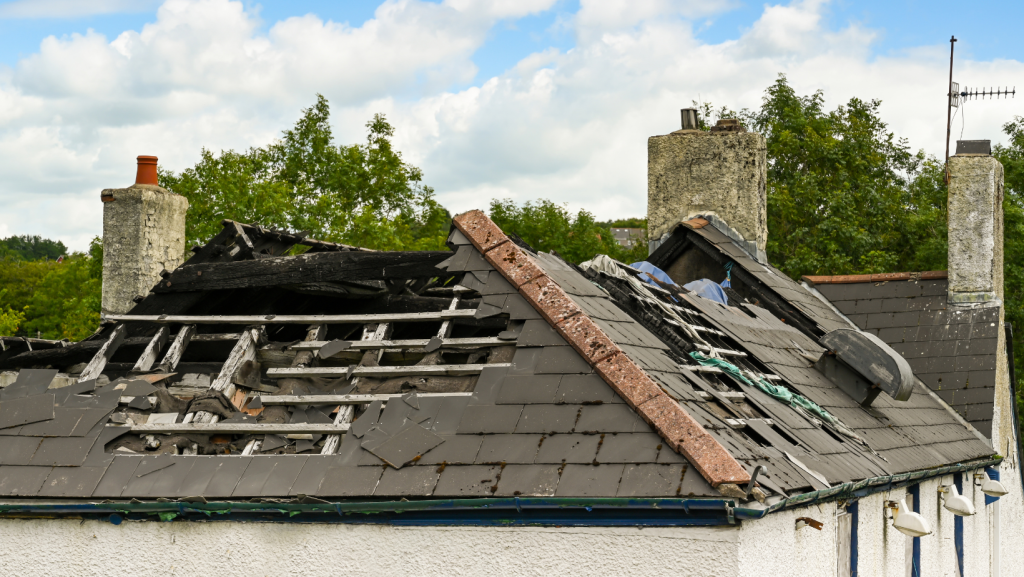
Selling a house with roof damage in Enfield, CT can feel stressful, especially if you are worried about repair costs, buyer inspections, or delays. Roof problems are serious because the roof protects the entire home. When buyers see missing shingles, leaks, water stains, or an old roof, they often worry about hidden damage, mold, insulation issues, and future repair expenses.
The good news is that roof damage does not mean your house cannot be sold. You still have options. You can repair the roof before listing, offer a repair credit, sell the house as-is, or work with a buyer who is comfortable purchasing homes that need repairs.
The right choice depends on your budget, timeline, roof condition, and how much work you want to handle before closing.
Can You Sell a House with Roof Damage in Enfield, CT?
Yes, you can sell a house with roof damage in Enfield, CT. A damaged roof may affect the sale price and buyer interest, but it does not make the property unsellable.
Some traditional buyers may ask for repairs before moving forward. Others may request a lower price or a seller credit. If the roof damage is serious, buyers using mortgage financing may face lender concerns. However, investors, contractors, landlords, and cash buyers may still be interested because they often expect to handle repairs after closing.
If your roof issue is minor, fixing it before selling may help. If the roof needs major repairs or full replacement, selling as-is may be a simpler option.
Common Roof Problems That Affect a Home Sale
Roof damage can range from small issues to major structural concerns. Even minor damage can make buyers nervous if they believe the problem may lead to leaks or hidden water damage.
| Roof Problem | What It Means | Possible Effect on Sale |
|---|---|---|
| Missing shingles | Roof covering is damaged or gone | Buyers may worry about leaks |
| Active leak | Water is entering the home | May lower buyer confidence |
| Old roof | Roof is near the end of its life | Buyers may request replacement |
| Storm damage | Wind, rain, snow, or branches caused damage | May require inspection or insurance review |
| Ceiling stains | Water may have entered the home | Buyers may suspect hidden damage |
| Sagging roofline | Possible structural weakness | Can create serious inspection concerns |
| Mold or mildew | Moisture may have been present for a while | Can make buyers more cautious |
Roof damage becomes more serious when it has affected the inside of the home. For example, a small leak may lead to stained ceilings, wet insulation, damaged drywall, or mold concerns. Buyers usually think beyond the roof itself and consider the total cost of fixing everything connected to the problem.
Should You Repair the Roof Before Selling?
Repairing the roof before selling can be a good idea if the damage is small and affordable. For example, replacing a few shingles, fixing flashing, or sealing a minor leak may help the home show better and reduce inspection issues.
A repaired roof can make buyers feel more confident. It may also help if you plan to sell through the traditional market and want to attract buyers who expect the home to be move-in ready.
However, repairs are not always worth it. If the roof needs full replacement, the cost can be high. You may need to hire a contractor, wait for scheduling, deal with permits, and manage the work before listing. Even after spending the money, there is no guarantee you will recover the full repair cost in the final sale price.
Before repairing the roof, ask yourself:
- How serious is the damage?
- Is the roof actively leaking?
- Do I have money for repairs?
- How quickly do I need to sell?
- Are there other major problems with the home?
- Will the repair increase the sale price enough?
If the house has multiple issues, fixing only the roof may not solve the bigger problem. Buyers may still ask for discounts because of outdated systems, water damage, old plumbing, foundation concerns, or cosmetic repairs. In that situation, selling as-is may make more sense.
Repairing vs. Selling As-Is
There is no single best answer for every homeowner. The better option depends on your goal. Some sellers want the highest possible sale price and are willing to make repairs. Others want speed, convenience, and fewer complications.
| Option | Best For | Main Benefit | Possible Drawback |
|---|---|---|---|
| Repair the roof | Minor roof problems | May attract more buyers | Requires upfront money |
| Replace the roof | Severe damage with strong home value | Improves buyer confidence | Expensive and time-consuming |
| Offer repair credit | Sellers who want to negotiate | Gives buyer flexibility | Buyer may still be cautious |
| Sell as-is | Sellers who want to avoid repairs | Faster and simpler | Sale price may be lower |
| Sell for cash | Damaged homes or urgent timelines | Fewer repair demands | Usually not full retail price |
If your goal is to maximize the sale price, repairs may be worth considering. If your goal is to sell quickly without spending money upfront, selling as-is may be the better route.
How Roof Damage Can Affect Your Home’s Value
Roof damage usually affects home value because buyers factor repair costs into their offer. If a buyer believes the roof needs expensive work, they may reduce their offer to cover the expected cost. They may also lower the offer further because roof problems can sometimes hide deeper damage.
The impact on value depends on several factors, including the roof’s age, the severity of the damage, whether there are active leaks, and whether water has entered the interior. The overall condition of the home also matters. A house with a damaged roof but a strong structure and good location may still attract buyers.
Financing can also become an issue. Some lenders may be cautious about homes with serious roof problems, especially if there are active leaks or safety concerns. This can limit the number of traditional buyers. Cash buyers may be more flexible because they are not always dependent on lender approval.
Can You Sell the House As-Is?
Yes, you can sell a house as-is with roof damage. Selling as-is means you are offering the property in its current condition and do not plan to make repairs before closing. For a complete explanation of how as-is selling works locally, read Selling a House As-Is in Enfield, CT: The Complete Homeowner’s Guide.
This option is common when the roof needs major work, the home is inherited, the property is vacant, or the seller needs to move quickly. It can also make sense if the house has several repair issues and fixing only the roof would not make it fully market-ready.
Selling as-is does not mean buyers will ignore the roof problem. They will still consider the repair cost when making an offer. However, as-is buyers usually expect the property to need work, so the process may involve fewer repair demands.
Selling as-is may be a good choice if:
- The roof repair cost is too high.
- You do not want to manage contractors.
- You need to sell quickly.
- The house has other repair problems.
- The property is inherited or vacant.
- You want to avoid inspection negotiations.
- You prefer a simpler sale.
For many sellers, selling as-is reduces stress and avoids spending money before closing.
Disclosure and Honesty Matter
If you know about roof problems, it is important to be honest with buyers. Connecticut sellers can review the official Residential Property Condition Disclosure Report to understand the types of property condition questions that may apply during a home sale. Known issues may include active leaks, past leaks, missing shingles, storm damage, ceiling stains, attic moisture, mold, previous roof repairs, or insurance claims.
Being honest does not always mean you must repair the roof. You may still sell the property as-is. However, clear information helps buyers understand the condition of the home before making a decision. It can also reduce surprises during inspection.
If you are unsure what must be disclosed, speak with a qualified real estate professional or attorney. Sellers can also review Connecticut General Statutes Section 20-327b, which explains residential condition report requirements and related exemptions. This is especially important if the roof damage has caused water damage inside the home.
Do You Need a Permit for Roof Repairs in Enfield?
Permit requirements can depend on the type and size of the roof work. A small repair may be different from a full roof replacement or structural repair. If you plan to repair or replace the roof before selling, check Enfield’s official Building Regulations, Permit Applications, and Documents page or contact the Enfield Building Inspection Department to confirm whether a permit is needed.
Permits matter because unpermitted work can create problems during a sale. Buyers may ask for proof that the work was completed correctly. A home inspector may also notice poor or incomplete repairs.
If you sell the house as-is and leave repairs to the buyer, you may not need to manage the repair or permit process before closing.
What Buyers May Ask About the Roof
Buyers often ask questions to understand how serious the roof problem is. They may want to know the age of the roof, whether it has leaked, whether there are ceiling stains, and whether any repairs were completed.
They may also ask for contractor estimates, inspection reports, warranties, or insurance claim information. These documents can help buyers understand the situation faster.
Even if the roof is damaged, clear information can make the sale smoother. Buyers are usually more comfortable when they know what they are dealing with.
Selling After Storm Damage
Roof damage can happen after heavy rain, wind, snow, ice, or fallen branches. If the damage was caused by a storm, you may wonder whether to file an insurance claim before selling.
Insurance may help in some cases, but claims can take time. A claim may also be denied or may not cover enough of the repair cost. If you need to sell quickly, waiting for the insurance process may not be ideal.
Before deciding, consider whether the roof is actively leaking, whether the damage is covered, how long the claim may take, and whether selling as-is would be easier.
A storm-damaged house can still be sold. The best choice depends on your timeline, the damage level, and whether you want to handle repairs before closing.
Fastest Way to Sell a Roof-Damaged House in Enfield, CT
If speed is your priority, selling as-is is often the simplest option. A traditional sale can take longer when the roof is damaged because buyers may request inspections, repairs, credits, or lender approval.
To sell faster, start by understanding the roof condition. You do not always need a full inspection, but it helps to know whether the damage is minor or serious. If possible, get a basic repair estimate so you understand what buyers may consider.
Next, decide whether you want to repair the roof or sell as-is. If you choose as-is, make that clear from the beginning. This helps attract buyers who are comfortable with repairs and reduces wasted time.
Mistakes to Avoid
One common mistake is replacing the roof without comparing your options. A new roof may help, but it may not always increase the sale price enough to recover the cost. Before hiring a contractor, review Connecticut’s Home Improvement for Consumers guidance so you understand basic contractor and repair-related precautions.
Another mistake is hiding known damage. Buyers may discover roof problems during inspection, which can lead to lower offers, delays, or canceled contracts.
You should also avoid waiting too long if the roof is actively leaking. Water damage can spread quickly, especially if the home is vacant. A roof issue can turn into damaged ceilings, wet insulation, mold, or structural problems.
Finally, do not assume every buyer will accept roof damage. Some buyers may walk away. Others may need lender approval. Choosing the right buyer type is important.
FAQs About Selling a House with Roof Damage in Enfield, CT
Q. Can I sell a house with roof damage as-is in Enfield, CT?
Yes, you can sell a house with roof damage as-is in Enfield, CT. Buyers may adjust their offer based on repair costs, but the property can still be sold without fixing the roof first.
Q. Do I have to replace the roof before selling my house?
No, you do not always need to replace the roof before selling. If the damage is minor, repairs may help, but if the roof needs major work, selling as-is may be a better option.
Q. Will roof damage lower my home’s value?
Yes, roof damage can lower your home’s value because buyers usually consider repair or replacement costs. The impact depends on the roof’s age, damage level, and whether water entered the home.
Q. Do I need to disclose roof damage in Connecticut?
If you know about roof leaks, water stains, storm damage, or past roof repairs, it is best to be honest with buyers. Disclosure rules can vary, so sellers may want professional guidance.
Q. What is the fastest way to sell a house with roof damage in Enfield, CT?
The fastest way is usually to sell the house as-is to a buyer who accepts roof problems. This can help you avoid repair delays, contractor costs, and long inspection negotiations.
Q. Who buys houses with roof damage in Enfield, CT?
Investors, contractors, landlords, cash buyers, and buyers looking for discounted properties may buy houses with roof damage. These buyers are often more comfortable handling repairs after closing.
Final Thoughts
Selling a house with roof damage in Enfield, CT is possible, even if the roof has leaks, missing shingles, storm damage, or signs of age. A damaged roof may affect the sale price, buyer interest, and inspection results, but it does not mean you are stuck.
If the damage is minor and you have time, repairing the roof may help attract more traditional buyers. However, if the roof needs major work or you do not want to spend money upfront, selling as-is may be the better choice. This can help you avoid contractor delays, repair costs, showings, and long negotiations.
Mike Z Buys Houses can help homeowners sell roof-damaged houses in Enfield, CT without making repairs. Whether the property has leaks, water stains, an old roof, or other repair issues, you can explore a simple as-is selling option and move forward with less stress.
The best choice depends on your timeline, budget, property condition, and selling goals. With the right strategy, you can sell your house and move forward without letting roof damage control the entire process.